




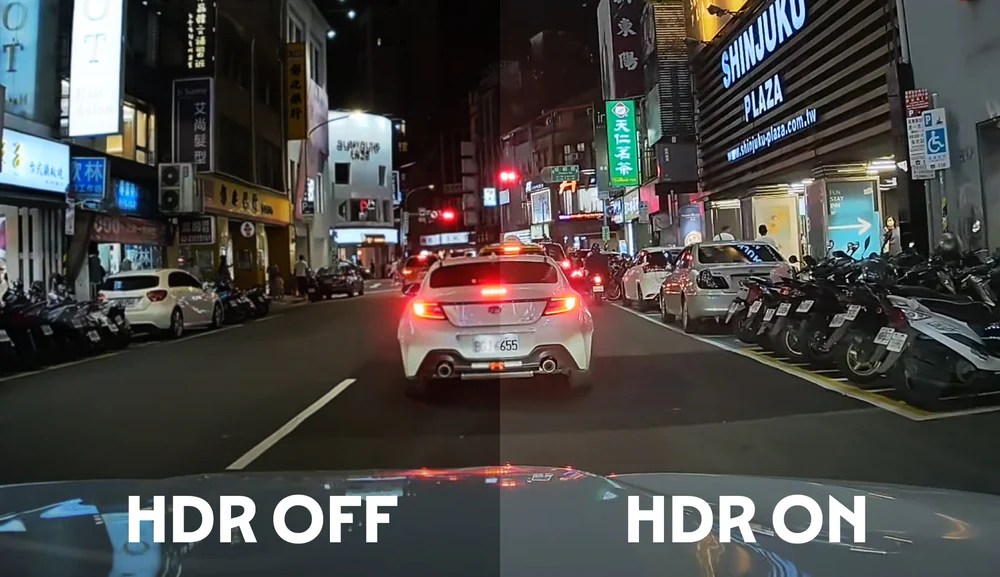
HDR (High Dynamic Range) is a cutting-edge imaging technology designed to enhance the contrast, color, and overall detail of images by expanding the dynamic range. This process ensures that both the brightest and darkest parts of an image are clearly visible, providing more vivid and realistic visuals. But what makes HDR particularly useful in driving recorders, and why is it so important for high-quality video capture?
In this article, we’ll explain how HDR works, why it’s beneficial for driving recorders, and how it improves video quality in various lighting conditions.
How HDR Works: The Basics
HDR technology involves several key steps to improve the visual quality of an image. Here’s a breakdown:
1. Composite Multiple Exposure Photos
- Capturing Multiple Shots: To handle scenes with a wide range of brightness (such as bright skies and dark roads), HDR technology captures several photos at different exposure levels: normal exposure, overexposed, and underexposed.
- Creating One Image: These images are then combined into a single HDR photo, ensuring that bright areas are not overexposed and dark areas retain detail.
2. Image Fusion: Extracting the Best Details
- Detail Extraction: The best parts of each exposure (normal, over, and underexposed) are fused to create an image with better detail retention. This ensures that both dark and light areas of an image are properly represented.
3. Color Mapping: Enhancing Visual Realism
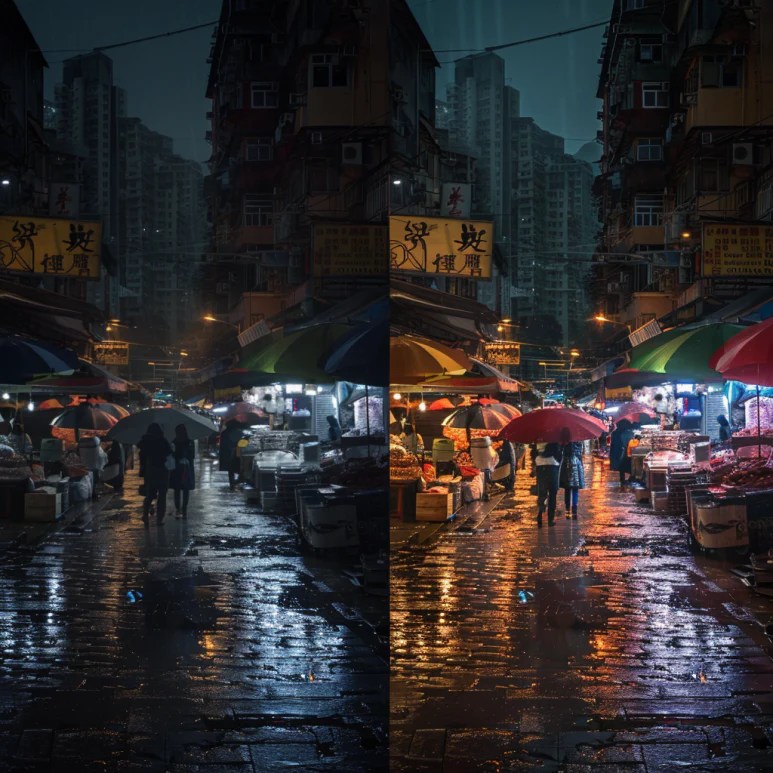
- Brightness and Color Adjustments: HDR images often require color mapping to adjust their brightness and color contrast for devices that support HDR. This ensures that the dynamic range is compatible with modern display devices, enhancing color vibrancy and contrast.

4. Tone Mapping (Dynamic Range Compression):
- Compression for Display Compatibility: Tone mapping compresses the image’s dynamic range, making it suitable for HDR-compatible displays. This results in a more vivid and true-to-life image representation.
Why HDR is Essential for Driving Recorders
1. Improved Low-Light Recording Quality
Driving recorders equipped with HDR technology significantly enhance video quality in low-light environments, such as during nighttime or in dimly lit conditions. HDR makes it possible to capture more details in challenging lighting conditions, helping you get clear footage even in poor visibility.
2. Better Handling of High-Contrast Scenes
When driving, you often encounter strong light sources, like sunlight or the headlights of a car ahead. HDR technology balances the light and dark areas of the footage, preventing overexposure or shadows from making important details, like license plates, unreadable. This ensures more accurate and neutral visual information.
3. Enhanced Video Quality for Accident Evidence
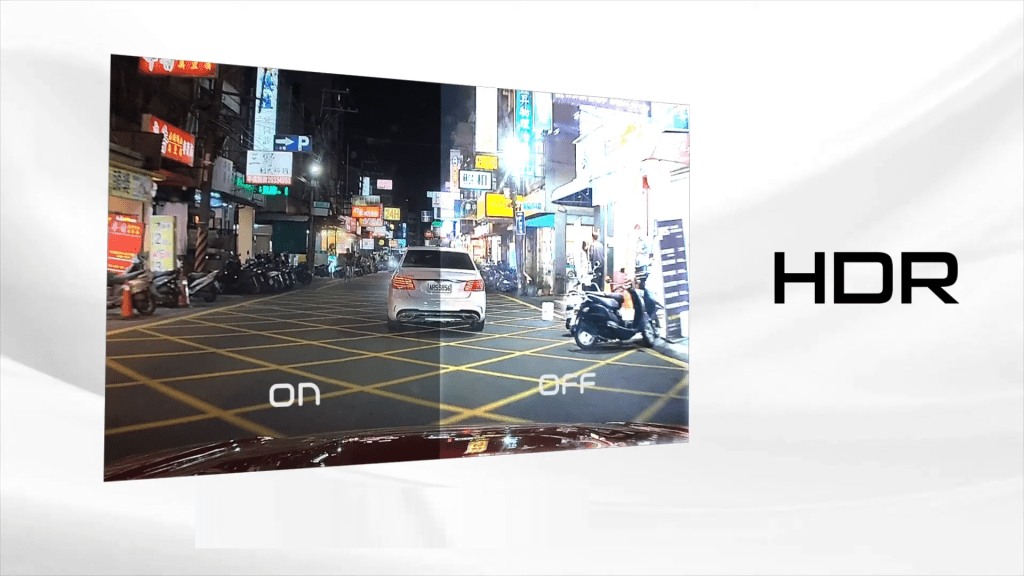
In critical moments like accidents, having high-quality video footage is essential. A driving recorder with HDR captures clearer and more detailed footage, making it easier to discern key details such as vehicle numbers and road conditions. This could prove vital in legal and insurance proceedings.
Conclusion: The Advantages of HDR in Driving Recorders
In summary, HDR technology offers significant improvements to driving recorders, allowing them to produce clearer and more detailed footage across various lighting conditions. This makes them invaluable for situations where clear video evidence is required, like accidents or other road incidents. By enhancing image quality and handling high-contrast scenes, HDR ensures your driving recorder captures footage that provides an accurate reflection of the road ahead.
If you’re looking for a driving recorder that offers superior video quality, consider one with HDR functionality for the best possible performance in all conditions.
 Pernis Dash Cam Global
Leave a comment