




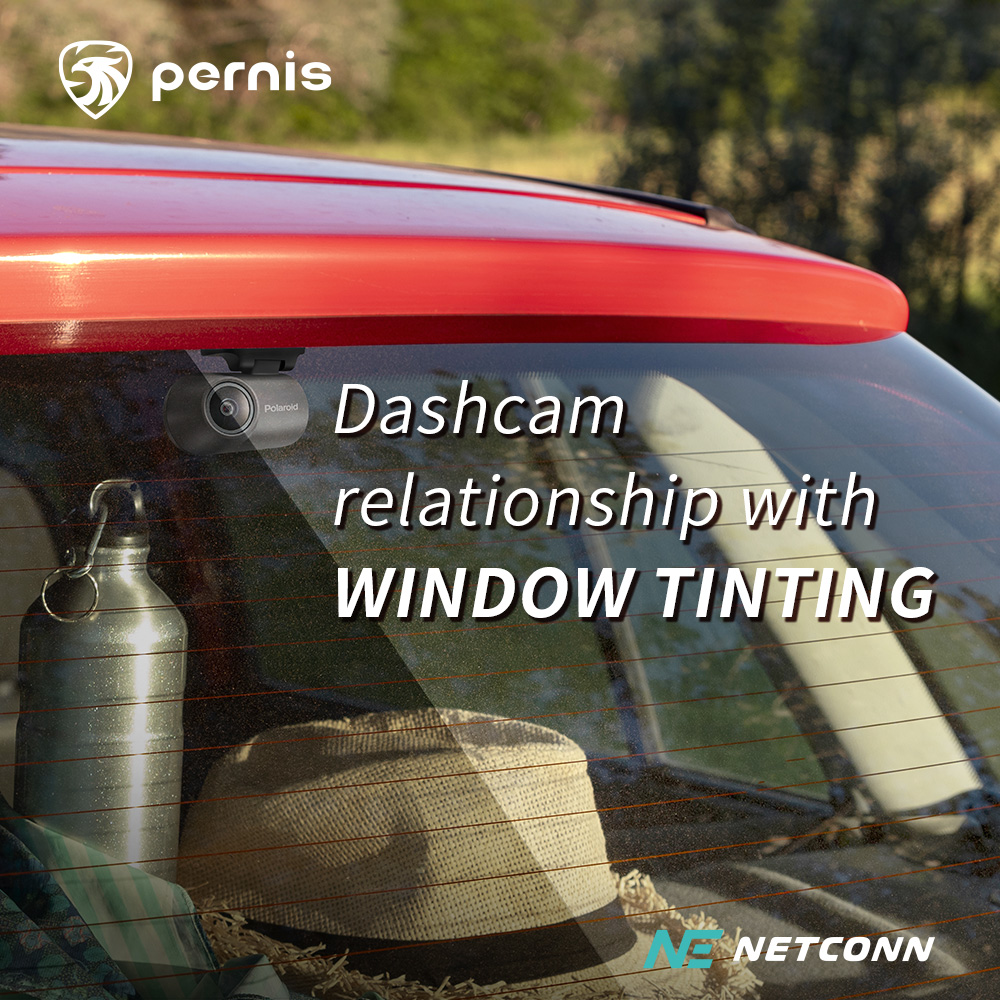
Taiwan’s hot and sunny weather often makes driving under the scorching sun unbearable. Especially when a car is parked outdoors for an extended period, the high temperature inside the vehicle can be extremely uncomfortable upon opening the door. To alleviate this discomfort, many car owners opt to apply window tint films to their car windows. However, did you know that window tint films might affect the performance of your dash cam?
- Interference with GPS Signal Reception
Some window tint films contain metallic components, which can interfere with the reception and transmission of GPS signals by your dash cam. This may result in unstable GPS signals or even a complete loss of signal, affecting the positioning functionality during your drive. Such interference can prevent your dash cam from accurately recording your travel route and location, which is a significant concern for drivers who rely on GPS features. - Impact on Image Clarity
The light transmittance of window tint films directly affects the video quality of your dash cam. Generally, tints with lower light transmittance can darken the recorded footage and reduce image clarity. This is particularly noticeable in low-light conditions, such as during nighttime driving. When the tint’s light transmittance is insufficient, the dash cam’s footage may become blurry, compromising the clarity and recognizability of the recordings. This can pose challenges when proving liability in accidents or ensuring personal safety.
While window tint films excel at reducing interior temperatures and enhancing comfort, their potential impact on dash cams should not be overlooked. When selecting a window tint, it is advisable to consult with a professional installer to understand how different tints may affect your dash cam. A professional recommendation can help you find a tint that strikes the best balance between heat reduction and video quality, ensuring both comfort and functionality.
 Pernis Dash Cam Global
Leave a comment